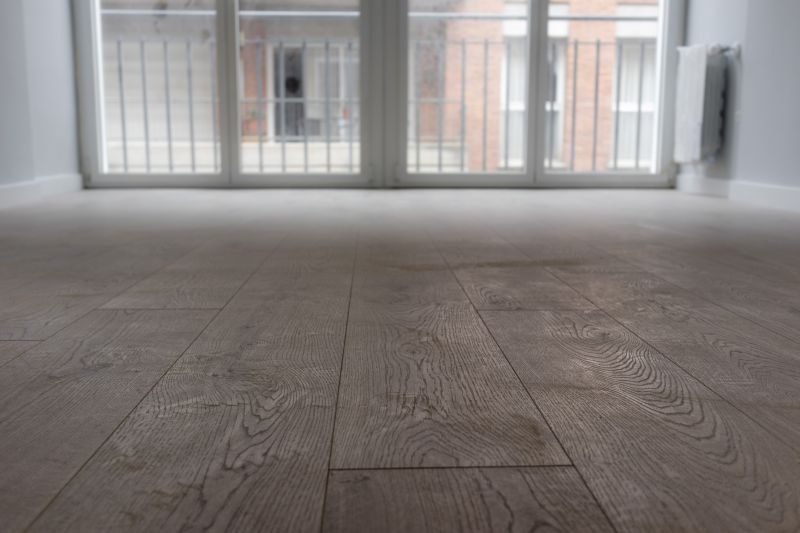
Engineered Wood Installation in Boulder, CO
Engineered wood installation services involve the careful placement and securing of engineered wood flooring, panels, or other structural components designed for durability and aesthetic appeal. These services are suitable for a variety of projects, including residential flooring upgrades, basement finishes, and custom interior designs. Property owners typically want to understand the different types of engineered wood available, the preparation required before installation, and the benefits of choosing engineered wood over traditional solid wood, such as stability in varying humidity levels and easier maintenance.
Before requesting engineered wood installation, homeowners should consider the scope of their project, including the size of the area and the desired finish. It’s also important to understand the surface conditions, subfloor compatibility, and any necessary adjustments to ensure a smooth installation process. Clarifying these details can help property owners make informed decisions and ensure the final result meets their expectations for both style and performance.
Many property owners in Boulder, CO look into Engineered Wood Installation for repairs, replacements, upgrades, and appearance-related improvements.
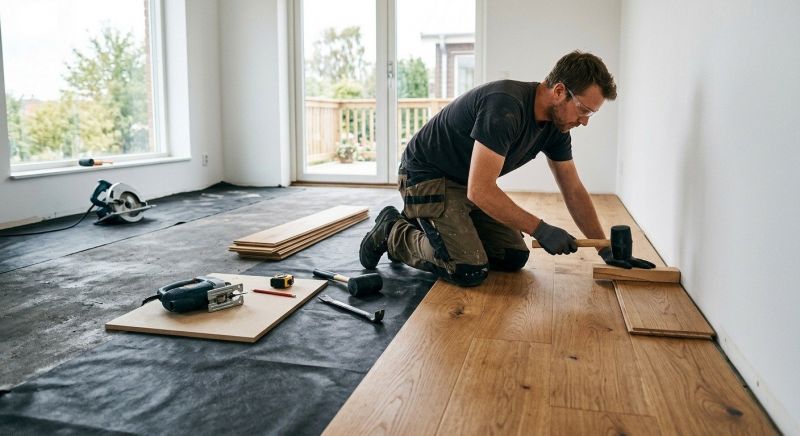
Engineered Wood Flooring Options
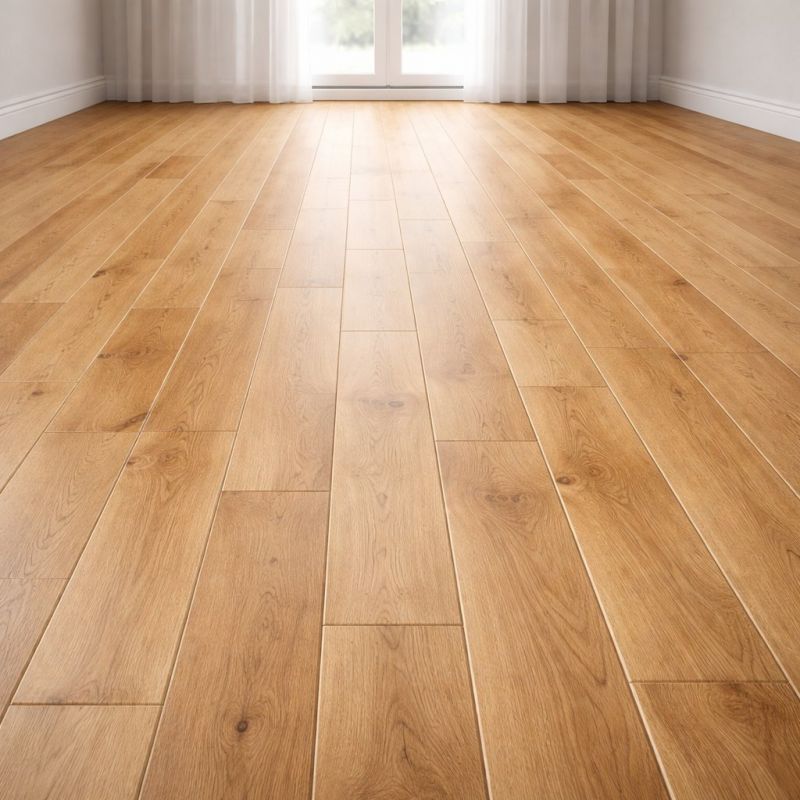
Engineered wood provides a durable and versatile flooring solution suitable for boulder homes.
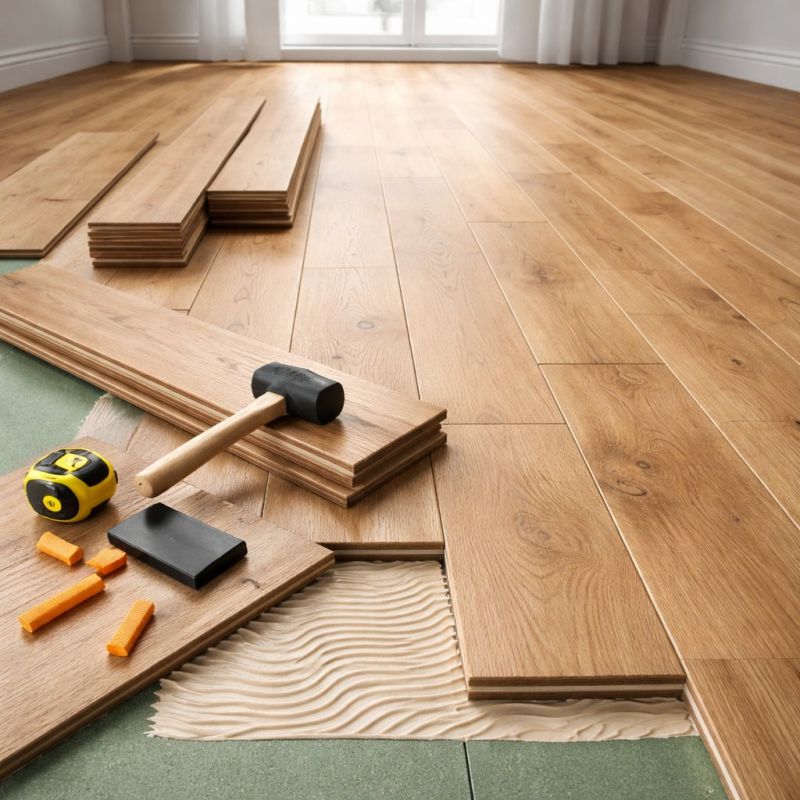
Installation Techniques And Best Practices
Proper installation ensures stability and longevity for engineered wood surfaces in residential and commercial spaces.
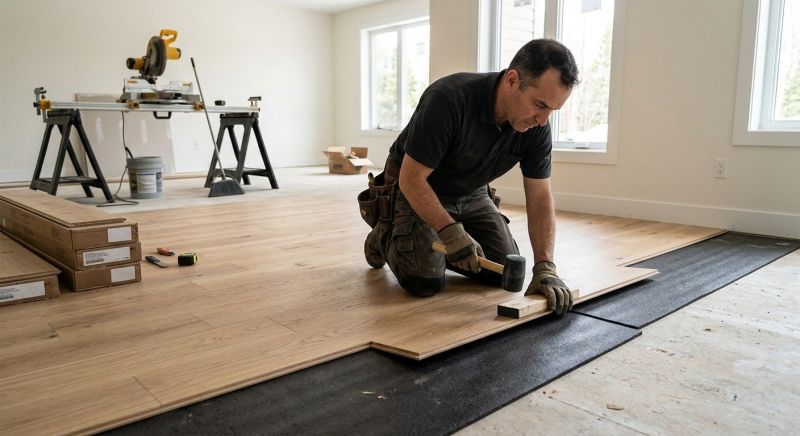
Maintenance And Care Tips
Regular cleaning and proper maintenance help preserve the appearance and performance of engineered wood floors.
Engineered Wood Installation in Boulder, CO

Engineered wood installation services involve the careful placement and securing of engineered wood flooring, panels, or other structural components designed for durability and aesthetic appeal. These services are suitable for a variety of projects, including residential flooring upgrades, basement finishes, and custom interior designs. Property owners typically want to understand the different types of engineered wood available, the preparation required before installation, and the benefits of choosing engineered wood over traditional solid wood, such as stability in varying humidity levels and easier maintenance.
Before requesting engineered wood installation, homeowners should consider the scope of their project, including the size of the area and the desired finish. It’s also important to understand the surface conditions, subfloor compatibility, and any necessary adjustments to ensure a smooth installation process. Clarifying these details can help property owners make informed decisions and ensure the final result meets their expectations for both style and performance.
Many property owners in Boulder, CO look into Engineered Wood Installation for repairs, replacements, upgrades, and appearance-related improvements.
Common Engineered Wood Installation Jobs
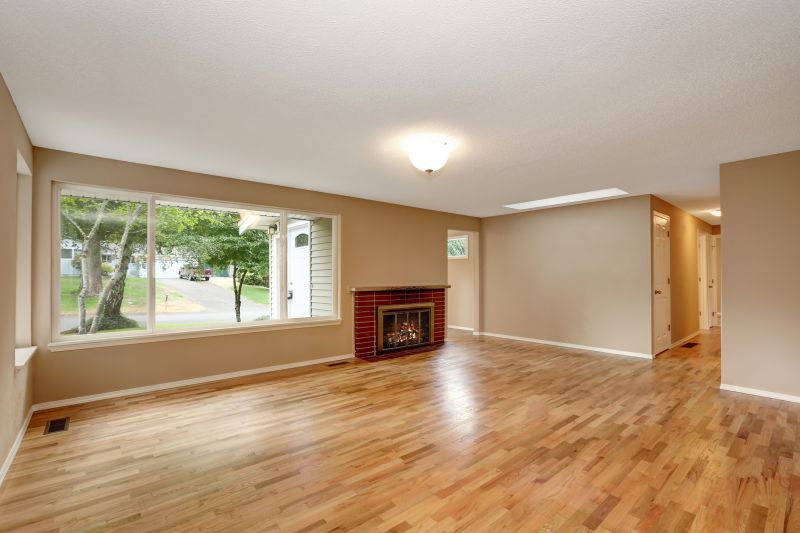
Engineered Wood Flooring - provides a durable and attractive option for living rooms and hallways.
Subfloor Preparation - ensures a stable and level surface for proper installation of engineered wood.
Room Transitions - creates smooth and seamless connections between different flooring types or areas.
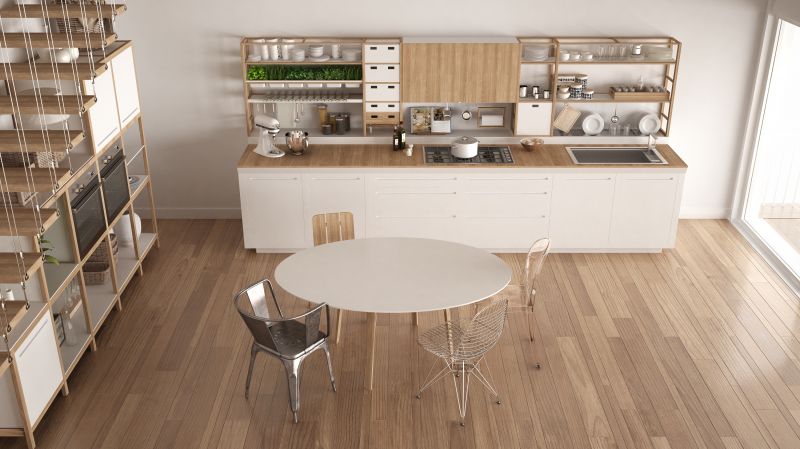
Pattern Installation - includes herringbone or plank layouts to enhance interior design and style.
Moisture Barrier Installation - protects engineered wood from moisture damage in basements or high-humidity areas.
Existing Floor Removal - safely removes old flooring to prepare for new engineered wood installation.
Engineered Wood Installation Questions
What types of projects are suitable for engineered wood installation? Engineered wood is ideal for both flooring and wall applications in residential and commercial spaces, providing a durable and stylish option for various interior projects.
How does engineered wood differ from solid hardwood? Engineered wood features a layered construction that offers greater stability and resistance to moisture, making it suitable for areas where solid hardwood may not be recommended.
What should property owners consider before installing engineered wood? It's important to evaluate the existing subfloor, intended use, and environmental conditions to ensure proper installation and long-lasting performance.
What are common surfaces where engineered wood is installed? Engineered wood is commonly installed on subfloors in living rooms, bedrooms, basements, and sometimes over existing flooring for renovation projects.
Request Engineered Wood Installation in Boulder, CO
Use the quote form on this page to share the basics of your project and request more information for the type of work you need.